Architecture Diagram
How the system fits together
This visual is meant to show the operating shape of the project at a glance: where input begins, where decisions happen, and what the useful output surface actually is.
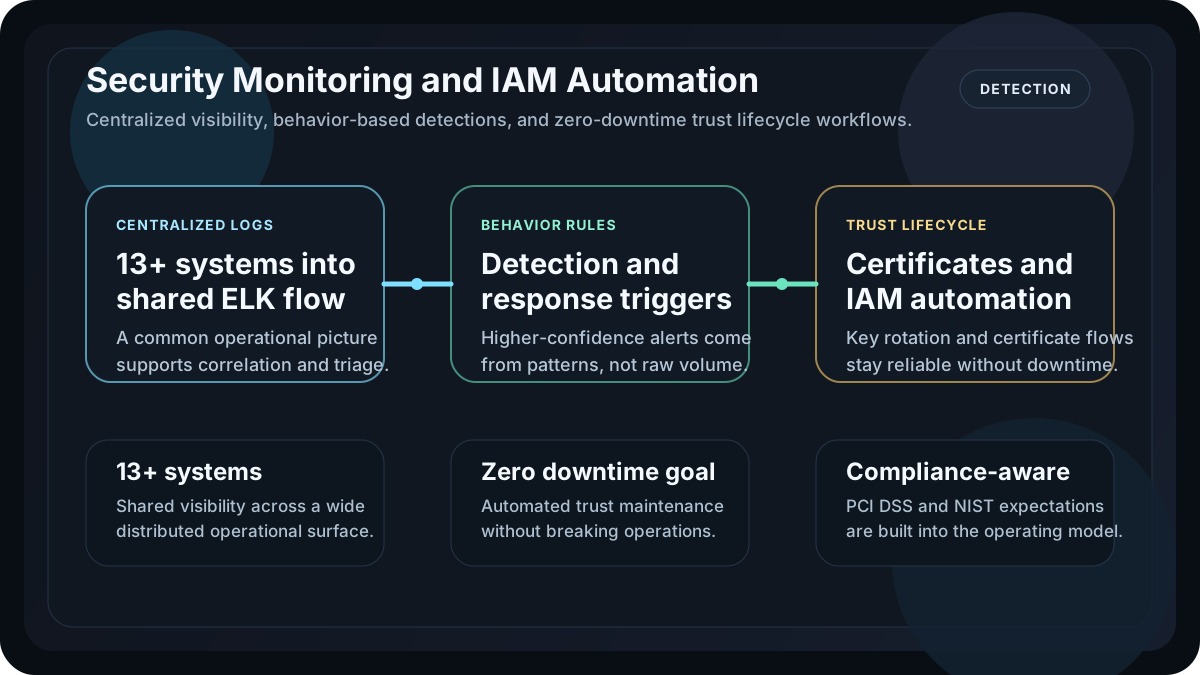
Detection-engineering diagram showing centralized ELK ingestion, behavioral rules, automated response triggers, and certificate automation.
Snapshot
What matters most in this project
Challenge
The challenge was to increase visibility and response quality across distributed systems while keeping compliance-sensitive controls reliable and low-friction.
Result
The outcome was stronger operational visibility, cleaner response automation, and more dependable handling of compliance-driven identity and certificate workflows.
Approach
- Centralized logs from 13-plus systems into a shared ELK platform to make suspicious behavior easier to correlate and investigate.
- Built behavior-based detections and response triggers so alerts reflected suspicious activity instead of isolated signatures alone.
- Automated certificate and key lifecycle management to reduce downtime risk and support PCI DSS and NIST expectations.
Architecture
- Centralized logs into ELK to create a shared operational picture across distributed systems and security-sensitive workflows.
- Layered behavior-based detections and response triggers on top of the data path so alerts reflected meaningful patterns, not isolated events.
- Connected IAM and certificate lifecycle automation to the monitoring model so trust and visibility improved together.
Impact
Improved visibility into indicators of compromise while automating cryptographic key and certificate lifecycle management with zero downtime.
- Developed behavior-based detections and automated response logic for higher-confidence alerts.
- Aligned key rotation and certificate management with PCI DSS and NIST expectations.
Tradeoffs and Decisions
- Focused on higher-confidence detections rather than maximizing alert count because analyst trust mattered more than volume.
- Automated key and certificate workflows carefully to avoid downtime while still improving compliance posture.
- Designed for maintainability so the system would remain useful after initial deployment and handoff.
Stack